
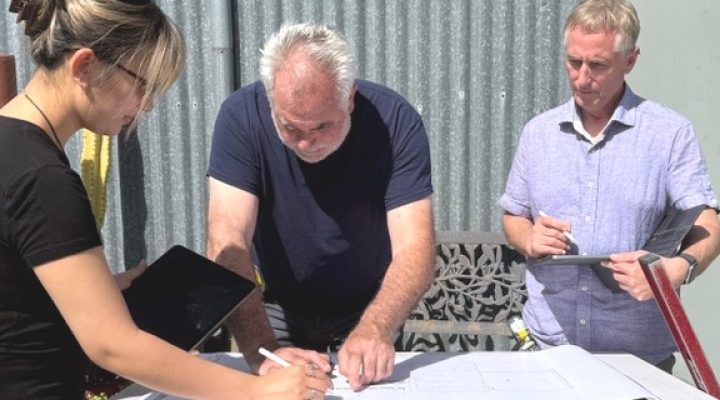
Most homeowners think a remodeling project begins the day demolition starts.
In reality, the success—or failure—of a project is usually decided long before the first wall comes down.
Projects that feel smooth, predictable, and even enjoyable don’t happen by accident. They’re the result of thoughtful planning that eliminates guesswork, aligns expectations, and turns a complex remodel into a well-managed plan. That planning happens during pre-construction.
The Remodel Nightmare (And Why It Happens)
If you’ve talked to friends or neighbors about remodeling, you’ve probably heard some version of the same story. The budget kept growing. The scope felt unclear halfway through the project. Decisions had to be made quickly, under pressure, and timelines slipped as stress levels climbed.
These problems rarely come from bad intentions or poor craftsmanship. More often, they’re the result of starting construction before the details have been fully thought through.
When key decisions are deferred until the build is already underway, homeowners are forced to react instead of plan—and that’s when costs rise, confidence drops, and frustration sets in.
Remodeling Doesn’t Start With Demo. It Starts With Planning.
A well-run remodel is often won or lost in pre-construction.
Pre-construction isn’t a formality or a box to check. It’s the phase where goals are clarified, risks are uncovered, and expectations are aligned. The more intentional this phase is, the calmer the construction phase tends to be.
What Pre-Construction Typically Includes
A strong pre-construction process is designed to bring clarity early, so there are fewer surprises later.
It starts with alignment—clearly defining goals, priorities, and constraints. This ensures that design decisions, budget expectations, and overall vision are working together rather than competing with one another.
From there, estimating becomes a structured process rather than a guessing game. Early, high-level estimates help establish realistic ranges, while more detailed estimates are developed once scope and selections are refined. This allows homeowners to make informed decisions before construction begins, not after walls are opened.
Early involvement from trade partners is another critical component. Walk-throughs and coordination during pre-construction help identify constraints, opportunities, and potential challenges before they affect the schedule or budget. That early collaboration leads to more accurate pricing and smoother execution.
Finally, a realistic construction schedule is developed—one that accounts for sequencing, lead times, and the true complexity of the work. Expectations are set based on reality, not best-case assumptions.
Why This Matters to Homeowners
All of this upfront planning pays off in very real ways.
Fewer surprises.
Better cost control.
Less stress during construction.
When decisions are made intentionally and early, homeowners aren’t forced into rushed choices mid-build. Communication improves, timelines become more predictable, and the overall experience feels far more manageable.
Simply put, pre-construction protects your time, your investment, and your peace of mind.
A Real-World Difference
Many homeowners initially assume they can “figure things out as they go.” After experiencing a structured pre-construction process, they often realize just how many decisions are involved—and how much stress is avoided by making those decisions upfront.
In one recent project, early planning uncovered structural considerations that would have caused significant delays if discovered during demolition. Because those issues were identified early, the design and scope were adjusted before construction began, keeping both the schedule and the budget intact.
That’s the quiet value of pre-construction: problems solved before they become problems.
The Bottom Line
A successful remodel isn’t about moving fast—it’s about moving forward with clarity.
No matter who you work with, the most important work happens before construction begins. Taking the time to define scope, make key decisions, involve the right experts early, and build a realistic plan will reduce stress and uncertainty once the project is underway.
If you’re planning a remodel, ask questions early. Understand how estimates are built. Clarify decisions before demo starts. Make sure there’s a real plan behind the timeline and budget—not just optimism.
The more thoughtfully a project is planned upfront, the smoother the build tends to be. And that’s true for any well-run remodel, regardless of size, style, or team.
